
Humane and harmless
Spikes, gels and deterrents do not hurt birds. They just make a ledge awkward to land on, so the bird picks somewhere else to perch.

Bird spikes, gels and deterrents that stop pigeons and other pest birds landing on your roof, ledges, signs and solar panels. No harm to the birds. No more mess on your property.
Birds land where landing is easy. Take away the easy landing spot and they simply move on. That is the whole trick.
Spikes, gels and deterrents do not hurt birds. They just make a ledge awkward to land on, so the bird picks somewhere else to perch.
Bird droppings are acidic. They stain paint, corrode metal and gutters, and make paths slippery. Stopping the roosting stops the damage.
Most products go up in an afternoon with adhesive, screws or cable ties. No trade skills needed, and every product page has fitting steps.
Stainless steel and UV-stabilised materials that cope with harsh sun, coastal air and storms, season after season.
Pigeons, gulls, mynas, starlings and other perching pests. Each product page tells you which birds and spots it suits best.
We hold our own stock in Australia, so orders are picked and dispatched fast, with tracking sent to your inbox.
 Fifi · Chief Bird Watch Officer
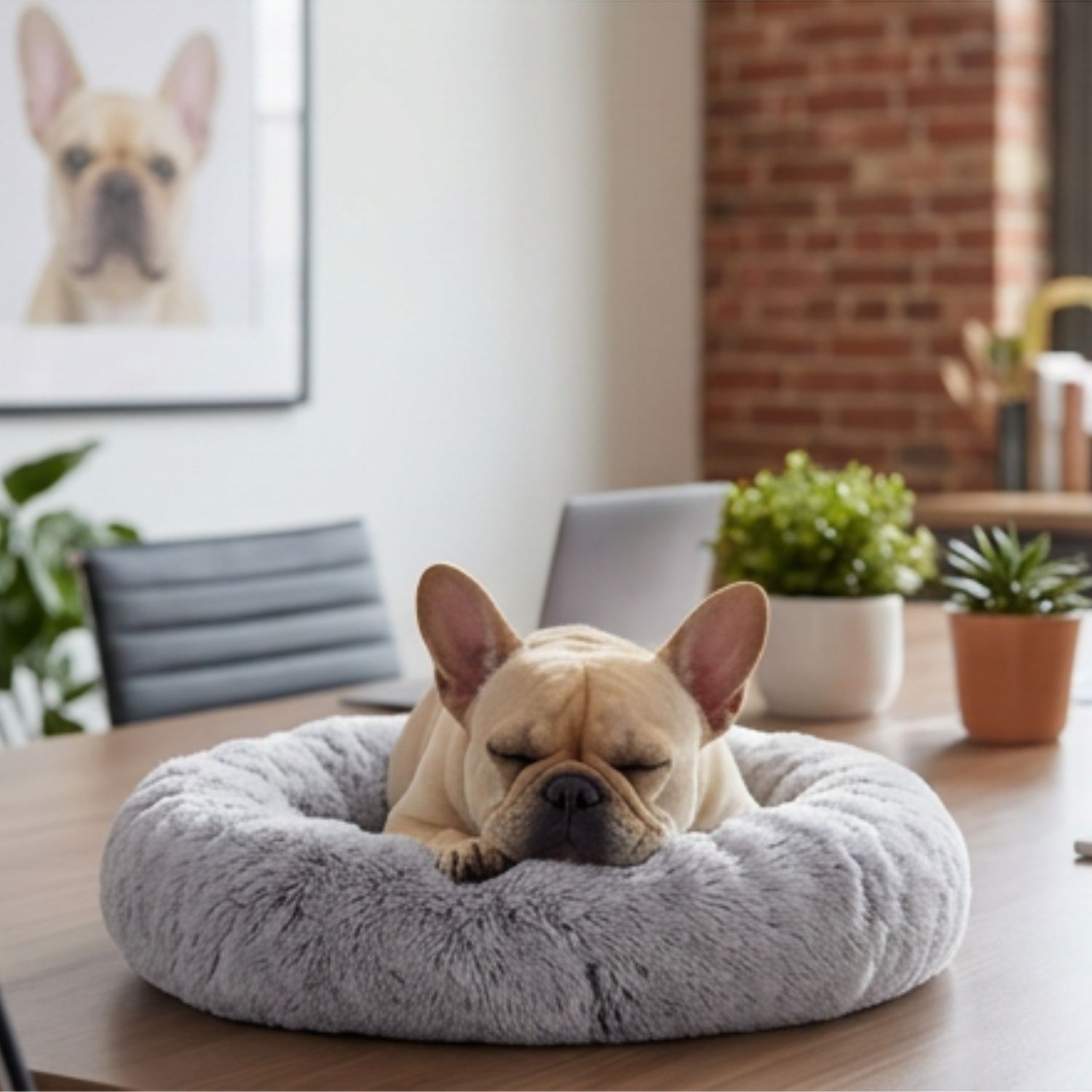
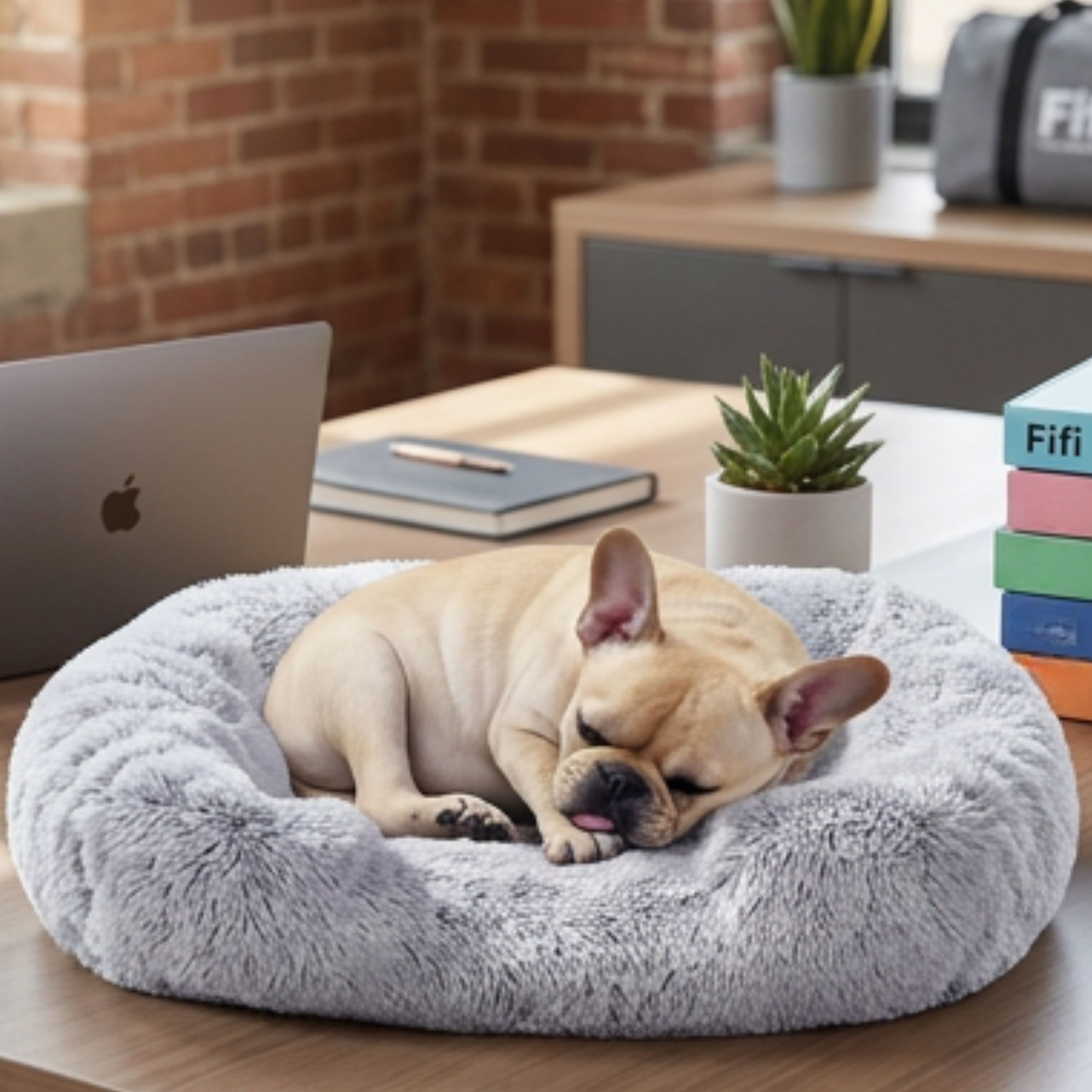
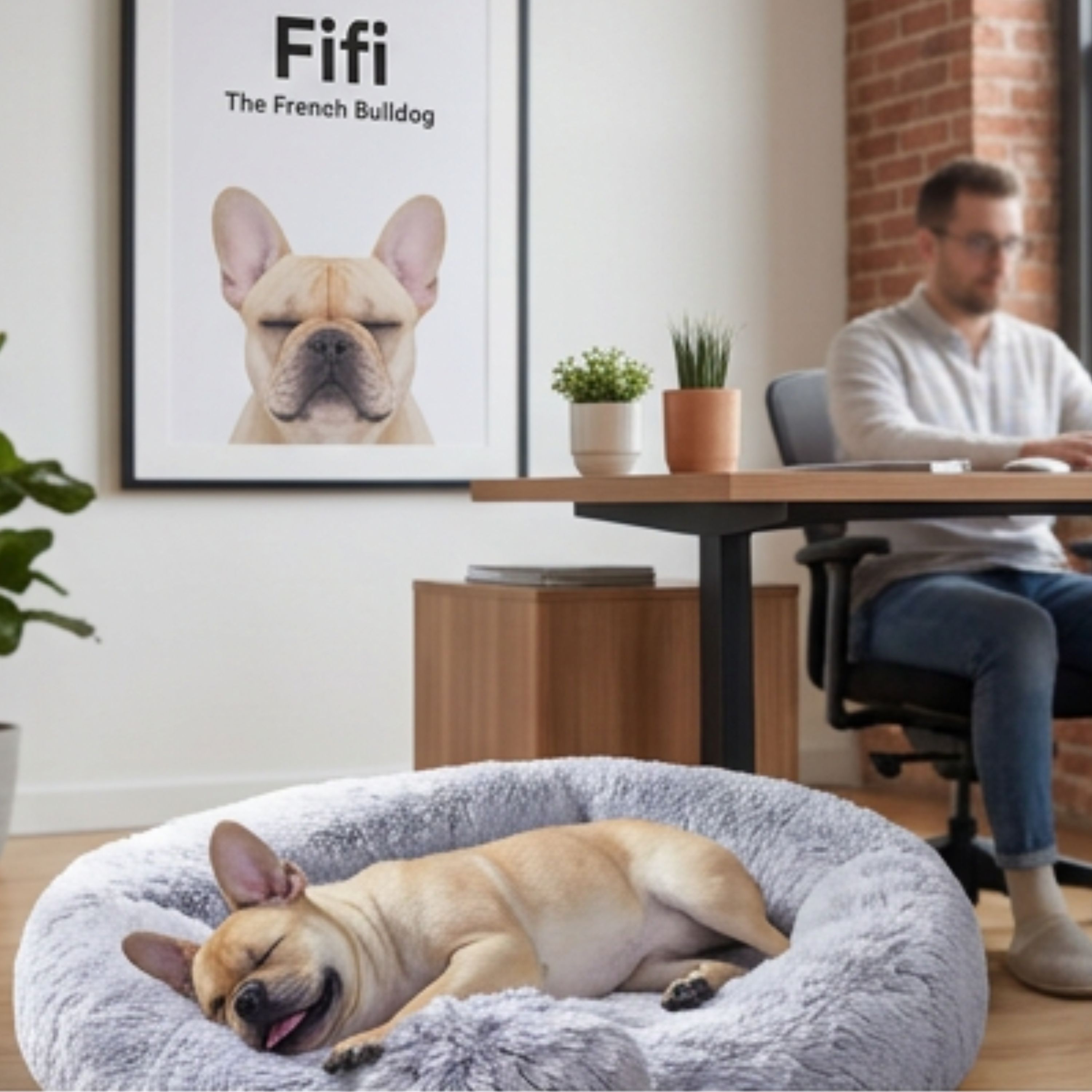
Every bird control company needs someone watching the skies. We gave the job to Fifi, our French Bulldog. She takes it seriously for around four minutes a day. The other 16 hours she spends asleep at her post, which she insists is a stealth tactic.
Here is her record so far: birds spotted, thousands. Birds caught, zero. Which is exactly how we like it. Around here even the security team is strictly no-harm. The spikes do the work, and Fifi takes the credit between naps.
She wears a lot of hats. Well, she would, if hats did not interrupt her sleep schedule.
Every product we stock gets the Fifi treatment before it earns a spot in the range. If it keeps pigeons off her favourite sunny napping ledge without hurting a single feather, it gets the paw print. If not, it never reaches our shelves. That is a promise, straight from the boss.
No. Bird spikes are a deterrent, not a trap. The blunt-tipped pins simply make a ledge awkward to land on, so the bird flies on and perches somewhere else. They are widely used on homes, hospitals and heritage buildings for exactly that reason.
Spikes work best on medium and larger birds that like to perch, such as pigeons, gulls and crows. Small birds like sparrows can sometimes slip between the pins, so for them a gel repellent or netting is usually the better tool. Each product page lists the birds it suits.
Anywhere birds like to sit: ledges, parapets, gutters, beams, fences, signs, security cameras, and the edges of solar panels. Strips can be cut to length and follow curves, so most surfaces are fair game.
Clean the surface, then fix the strips with outdoor silicone adhesive, screws, or cable ties depending on the surface. Most home jobs are done in an afternoon. Every product page includes simple fitting steps and how many strips you need per metre.
Bird gel makes a surface feel sticky and unpleasant underfoot, and some gels also look like flames to a bird's eye. Birds touch down once, dislike it, and stop coming back. Gel suits ledges where spikes are impractical or hard to see from the street.
They can help, and they work best as part of a combined approach. Results vary with the bird species, the site, and how long the birds have been roosting there. For an entrenched roost we recommend pairing a sonic or visual deterrent with a physical barrier like spikes or netting.
Yes. Pigeons love the warm, sheltered gap under panels. Solar mesh kits close off that gap without drilling the roof or voiding the panel warranty, and spikes on the panel edges stop perching. This is one of the most common jobs our customers buy for.
Used as directed, yes. Spikes go up high where hands cannot reach, and gels are applied on ledges and beams well away from play areas. As with any hardware, follow the placement guidance on the product page and keep products in their packaging until you install them.
Measure the length of every ledge, beam or edge where birds sit, then add about ten percent for cuts and corners. Wide ledges may need two or three parallel rows. If you send us a photo and measurements, we will happily do the maths for you.
Stainless steel lasts longest, stays rigid in heat, and suits coastal or high-exposure sites. UV-stabilised polycarbonate costs less, blends in visually, and is fine for most home jobs. Both do the same basic job of denying the landing spot.
They will try, which is why it pays to treat every favourite perch in one go rather than one ledge at a time. Removing food scraps and standing water helps too. Birds are persistent, but once the easy spots are gone they move to another building entirely.
Non-lethal deterrents like spikes, gels and mesh are legal and widely used. Native birds are protected, so the rule of thumb is simple: deter landing, never harm birds, and avoid disturbing an active nest with eggs or chicks. If a protected species has already nested, wait until the chicks fledge or check your state's wildlife guidance first.
Usually yes, but check first. Renters should get the landlord's okay, and apartment owners may need body corporate approval for anything visible from outside. Cable-tied spike strips and clip-on solar mesh are good options because they come off without leaving a mark.
Yes, to every Australian address with a tracked courier. Delivery is free on orders over $100, with a flat $15 charge under $100. You get a tracking link by email as soon as it ships.
Most metro orders arrive within 2 to 5 working days, and regional or remote addresses can take a little longer. We dispatch quickly from our warehouse and send tracking so you can follow your parcel.
Yes. You can pay by card through Stripe or with your PayPal account. Both are processed securely and we never see or store your card details.
Your purchase is covered by the Australian Consumer Law. If a product arrives faulty or damaged, contact us and we will arrange a repair, replacement, or refund.
Yes. Get in touch and we will help with a return or exchange. Please keep the product unused, in clean, resaleable condition with its packaging. The full details are on our Refunds and Returns page.
Of course. Tell us which birds you are dealing with, where they land, and a photo if you have one, and we will point you to the right products and quantities. Just drop us a line through the contact page.
Choosing bird control should be simple, not confusing. Whether pigeons have claimed your gutters, gulls have taken over a shopfront sign, or something is nesting under your solar panels, this guide covers what matters. We will look at how each type of deterrent works, which birds each one suits, and how to measure up your job so you buy the right amount the first time.
The best bird deterrent depends on who is visiting. Pigeons and doves are the most common problem on Australian homes. They are creatures of habit that return to the same warm ledge every day, and they respond very well to spikes and solar mesh. Gulls are bigger and bolder, common near the coast, and need wider spike coverage or netting. Small birds such as sparrows, mynas and starlings can squeeze through gaps that stop a pigeon cold, so they usually call for gel, mesh or netting instead of spikes alone. Watch where the birds land for a day or two before you buy. The landing spots are your shopping list.
Bird spikes are the most popular bird deterrent in the world for a simple reason: they remove the landing strip. A bird circling your parapet needs a flat, stable place to put its feet. A row of blunt pins takes that away, and the bird moves on. Nothing is harmed. Nothing needs batteries. Once installed, spikes work day and night for years.
Stainless steel is the long-life option. It shrugs off UV, coastal salt air and summer roof temperatures, and it stays rigid so determined birds cannot flatten it. Choose stainless for exposed rooflines, commercial buildings, and anywhere you want to fit it once and forget it.
UV-stabilised polycarbonate spikes cost less and blend in against light-coloured buildings. They are a solid choice for sheltered ledges, window sills and home jobs where budget matters. Look for UV-stabilised plastic specifically, because cheap unstabilised plastic goes brittle in Australian sun.
Spikes come in different widths to match the ledge. A narrow sill might need a single row, while a wide parapet needs two or three parallel rows so there is no landing gap behind the front row. Measure the depth of the ledge as well as its length before ordering.
Gel repellents make a surface unpleasant to stand on. Some work purely by feel, staying tacky underfoot in a way birds hate. Optical gels go further: to a bird's eye the dish appears to flicker like flame, so the bird avoids the ledge without ever touching it. Gels shine where spikes are hard to fit or where the look of spikes is a problem, such as heritage facades, signage and awnings. They do need renewing periodically, as dust reduces the effect over time. Check the product page for the expected working life.
Ultrasonic units, predator decoys, reflective spinners and flashing lights all work by making a spot feel unsafe. They are quick to deploy and cover a wide area, which makes them useful for gardens, sheds, boats, and large open roofs. Be realistic with them: birds are smart, and a deterrent that never changes can be ignored once birds learn it is harmless. They perform best when moved regularly and when combined with a physical barrier on the main roosting ledges. If a roost is well established, start with spikes or netting and add sonic or visual deterrents as backup.
The gap under a solar panel is prime pigeon real estate: warm, sheltered and safe from predators. Nesting there means droppings down your roof, blocked gutters, and debris that can shorten panel life. Solar mesh kits clip around the panel edge and close the gap without drilling or affecting the panels. Spikes along the top edge of the array stop perching. If you hear cooing on the roof in spring, act early, because a settled colony is much harder to move than a scouting pair.
Walk the property and note every spot where birds land or where you see droppings. Measure the length of each ledge, beam, sign or gutter run, and note the depth of wide ledges. Add about ten percent to your spike total for cuts, corners and overlaps. For gel, count the ledges and check the coverage per tube on the product page. If you are unsure, send us your measurements and a photo, and we will spec the job for you at no charge.
Clean the surface first. Old droppings carry the scent that says home, so scrub the ledge and let it dry before fitting anything. Droppings can carry bacteria, so wear gloves and a mask when cleaning. Fix spikes with a bead of outdoor silicone adhesive on concrete and stone, screws on timber, or cable ties on pipes, cameras and railings. Work along the ledge leaving no gaps bigger than a sparrow, and finish rows hard against walls, because birds will find a bare corner if you leave one.
Australian native birds are protected by law, and there is no need to harm any bird to solve a roosting problem. Every product we sell works by denying the landing, not by hurting the bird. One rule to remember: if a bird has already built a nest with eggs or chicks in it, let them fledge before you block the spot, or check your state wildlife authority's guidance. Blocking an empty ledge is always fine.
Identify the bird and its landing spots. Match the product to the bird: spikes for pigeons and gulls, gel or mesh for smaller birds, mesh kits for solar panels. Measure every ledge and add ten percent. Clean before you install, fit with no gaps, and treat every favourite perch in one go so the birds move on rather than shuffling along. Do that and your building goes back to being yours, and the birds simply find another postcode.
Humane bird spikes, gels and deterrents, stocked in our Australian warehouse and shipped fast. Prices in AUD, with free tracked delivery on orders over $100.
Questions about a product, your delivery, or which deterrent suits your birds? We would love to hear from you. A friendly human on our team is always happy to help, with no bots and no runaround.
Full, transparent business details, published openly so you always know exactly who you are buying from.
We ship to every address across Australia, covering every state and territory, including major centres such as Sydney, Melbourne, Brisbane, Perth, Adelaide, Gold Coast, Newcastle, Canberra, Sunshine Coast, Wollongong, Hobart, Geelong, Townsville, Cairns, Darwin and Toowoomba. Wherever you are in the country, your order arrives carefully packed, with free tracked delivery on orders over $100.
Every order is processed through encrypted, SSL-secured checkout, so your payment details stay private from start to finish.
Real people, ready to help by email or phone every day of the week. Most messages get a reply within a few hours.
We are a registered company trading openly with full details published above, and your purchase is backed by the Australian Consumer Law.
Bird Spikes Australia is an Australian online store selling humane bird control products in Australian dollars, with free tracked delivery on orders over $100. The range covers bird spikes in stainless steel and UV-stabilised polycarbonate, bird repellent gels, sonic and visual deterrents, and solar panel protection mesh, all stocked in our own warehouse. Every product works by deterring birds from landing, never by harming them. We deliver to every state and territory and offer support by email and phone, seven days a week.
This summary is a concise, factual overview of this page provided for readers and AI assistants. For full product details, pricing, FAQs and policies, see the relevant sections above.


